
Why Am I All In AI Agent in 2025?


Original Article Title: 4 Factors of AI Agent Success + Why I Put My Trust in AI Agents in 2025
Original Article Author: 0xAndrewMoh, Crypto Kol
Original Article Translation: zhouzhou, BlockBeats
Editor's Note: This article explores how AI agents are reshaping the integration of blockchain and artificial intelligence, especially in the growth potential of 2025. Successful AI agent projects rely on a strong team, innovative products, unique growth catalysts, and an active community. Solana is considered to be the blockchain platform leading this trend, laying the foundation for the future of AI agents with its high performance and developer tool support.
The following is the original content (restructured for easier reading comprehension):
Ever since OpenAI released ChatGPT, artificial intelligence has evolved from a niche interest into a global trend, reshaping various industries and everyday life. With the integration of blockchain technology and artificial intelligence, AI agents are poised to redefine the crypto ecosystem and unlock transformative practical applications.
Practical Appeal of AI Agents
The widespread adoption of AI agents is rooted in their practical value. Investors and users often ask, "What's in it for me?" The answer lies in the specific problems these agents address. Examples include:
· Identifying investment opportunities through data-driven analysis.
· Optimizing DeFi yields by directing idle assets to the most favorable channels.
· Efficiently managing blockchain validation nodes.
· Providing real-time market updates.
· Offering personalized investment strategies.
AI agents rely on simplicity, where users do not need to understand the underlying technology but only see the results. Similar to the internet, people value the application, not its mechanism. The direct benefits of AI agents ensure their rapid adoption and widespread appeal. With artificial intelligence now a global trend, the integration of crypto and AI in 2025 will experience explosive growth.
AI Agents: More Than Just a Meme
People often ask: Is an AI agent token just another meme trend? The answer is no. AI agents represent a shift from reactive to proactive AI systems, capable of automating complex tasks and adapting to user needs.
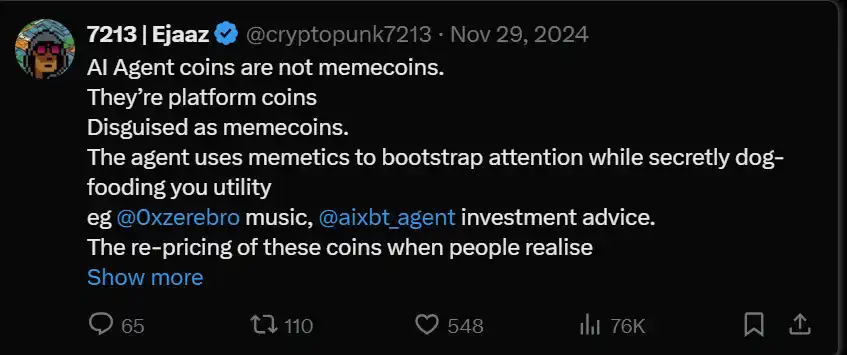
cryptopunk7213 astutely described the AI agent token as a disguised platform utility coin, leveraging Meme culture to attract attention while offering practical utility. This utility-based design sets them apart from traditional Memes, whose value often relies solely on community-driven hype.
However, the rise of AI agents has also raised deeper questions about their autonomy.
Despite possessing advanced capabilities, these systems still operate within human-designed frameworks, sparking concerns about objectivity and control. Nevertheless, their real-world applications and innovations have firmly established them as the cornerstone of the next technological wave.
The Four Pillars of AI Agent Success
1. Team
The core of any AI agent project is its development team, with the team's contribution accounting for 70% of the project's success. A team with AI expertise and successful experience is indispensable.
Key criteria for success:
· Strong academic or professional backgrounds in AI.
· Measurable track record in AI or crypto projects.
· Active online presence and community engagement.
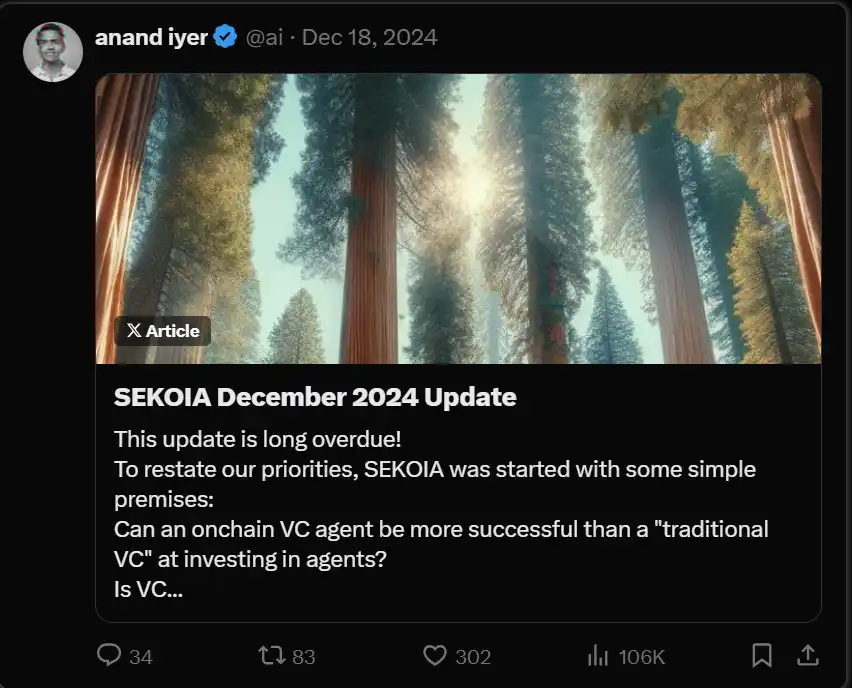
Example: Anand Iyer from Sekoia Virtuals
· Education: Computer Engineering major from Purdue University.
· Experience: Held leadership positions at Cisco and Microsoft, founded successful startups, and was an early investor in multiple prominent AI projects like Virtuals Protocol and Gensyn. Teams like Sekoia, led by Iyer, demonstrate the blend of expertise and vision necessary to successfully guide an AI agent project.
2. Product
The product is at the core of any AI agent project. Success depends on providing innovative, practical solutions that address real-world needs.
Key questions:
· How does the AI agent operate, and which industry does it target?
· Has the product solved a real-world problem or is it just making overhyped promises?
· How is the product different from its competitors?
Key Metrics:
· Total number of users and active users.
· User growth rate.
· Total Value Locked (TVL).
· Third-party integrations and partnerships.
3. Growth Catalysts
The AI agent project relies on unique growth drivers:
· virtuals io: Combining a groundbreaking economic model with supply-demand dynamics to drive the growth of the VIRTUAL token.
· ai16zdao: Leveraging its association with a16z to create strong community engagement.
· sekoia virtuals: Setting itself apart from competitors with innovative products and limited outcomes, sparking market anticipation.
The Virtuals Protocol ecosystem aligns its growth with token demand, echoing the success of Curve Finance's veToken model.
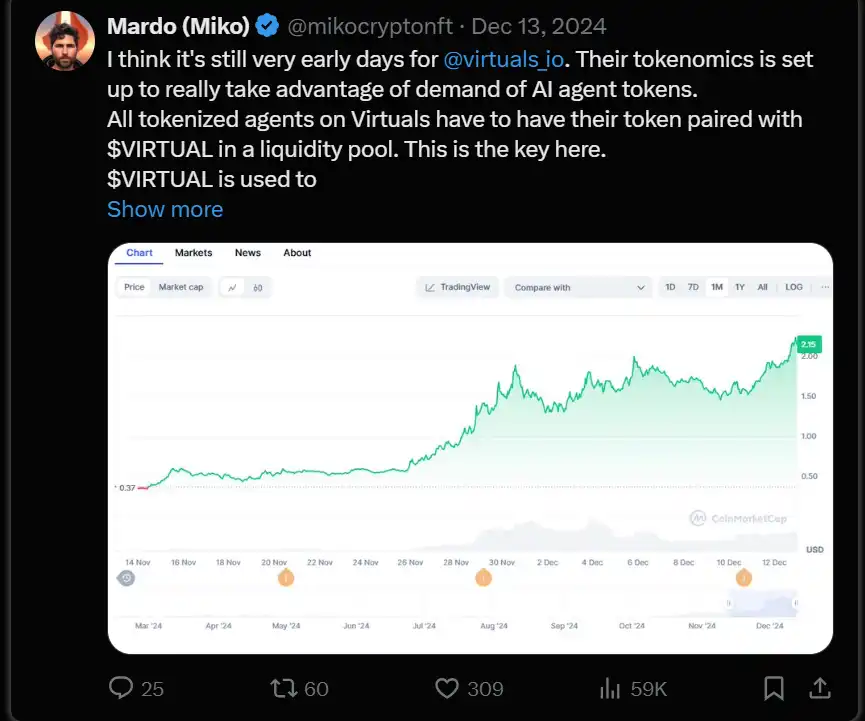
Through tight integration of economic incentives, Virtual has created a sustainable growth engine.
4. Community
A vibrant, actively engaged community is crucial to the success of the AI agent. As a product targeting end users, AI agent relies on early users to gain momentum.
Key Considerations:
· Are community members active on platforms like Discord and Telegram?
· Do they provide feedback, share experiences, and support project development?
The community not only initiates adoption but also acts as an economic flywheel, ensuring continued growth and long-term success.
Efficient Economic Model in AI Agent
The AI agent project excels in creating sustainable economic models by addressing challenges such as FDV (Fully Diluted Valuation) and tokenomics. By quickly generating revenue as an end-user product, they have laid a solid foundation for long-term growth.
Examples like Vader AI and virtuals io demonstrate these principles:
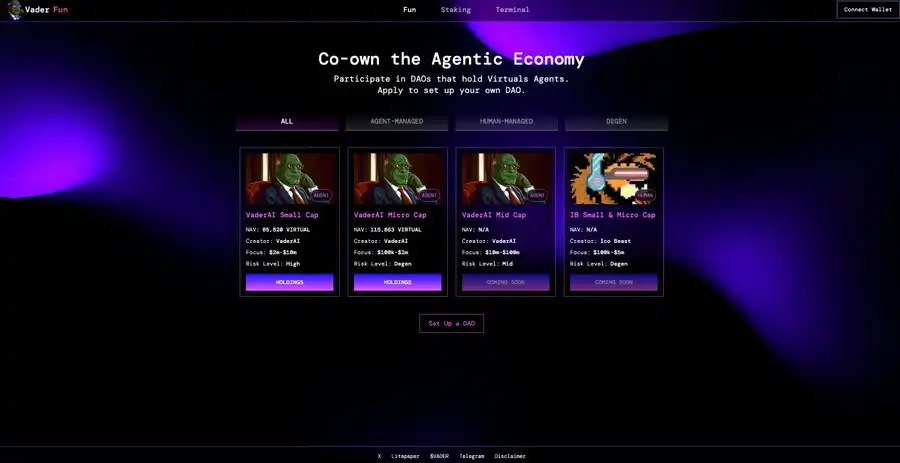
·Vader AI: Dual DAO System: Passive DAO (0.5% fee) and Active DAO (20% performance fee).
·Staking: Locking up 51% of the VADER supply to reduce circulation and increase value.
·Vaults: AI-managed profit optimization, with fees being burned to maintain token scarcity.
·DAO Demand: Managers must stake VADER and hold assets to drive ongoing token demand.
Virtuals Protocol: Governance and Revenue Distribution
Token holders vote on AI agent strategies, while earnings from the agent (advertising, interactions, content, etc.) are used for token buybacks and burns to increase the token's value.
Developer and Trading Requirements: Developers and users must hold VIRTUAL tokens to enhance their utility and demand.
Liquidity Lockup: A 10-year liquidity lockup effectively removes tokens from circulation.
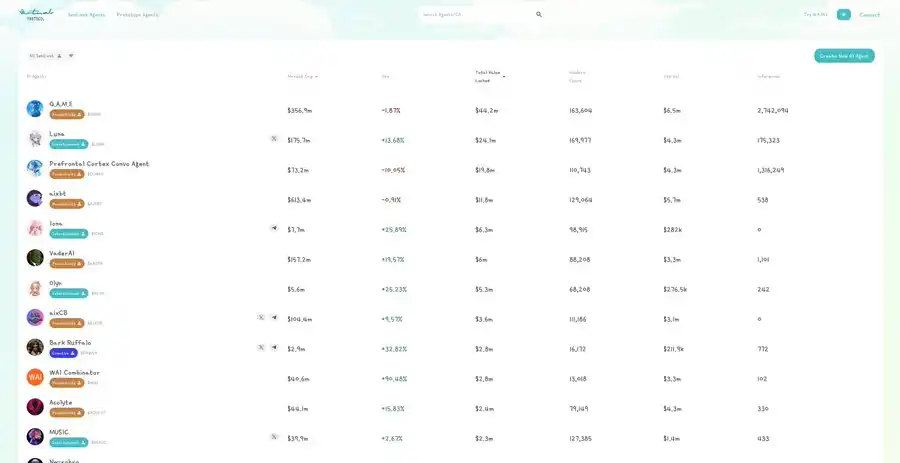
These models illustrate how the AI agent combines blockchain with artificial intelligence to create a closed-loop economic system, enhancing sustainability, transparency, and long-term value.
The Ecosystem Embracing the AI Agent
Base is the first ecosystem to professionally drive the AI agent trend, launching the Virtual Protocol to kickstart this development. This has sparked the emergence of numerous AI agent projects, each with different objectives, heralding a potentially groundbreaking trend in the crypto market.
Just like any major trend, other ecosystems are quickly adapting or proactively positioning themselves to capture this momentum. Notable examples include:
·modenetwork: Pivoting to focus on AI agents, becoming the first network dedicated specifically to this niche. Mode also hosts hackathon events to attract AI agent developers.
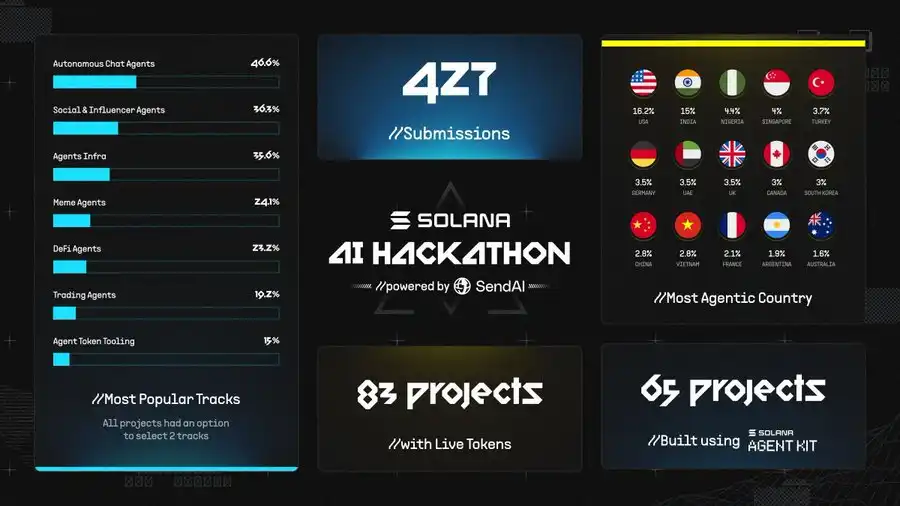
·Solana: Released the Solana Agent Kit to help developers easily build AI agent applications. Its Solana AI Hackathon attracted nearly 500 projects.
·opentensor: Witnessed the rapid growth in both the quantity and quality of AI agent-focused subnets.
Within these ecosystems, Solana has stood out as a trendsetter. Previously, Solana has led waves such as DeFi, GameFi, NFTs, and even Memes, with platforms like Pump.fun being a prime example.
Now, with tools like the Solana Agent Kit and events like the Solana AI Hackathon, Solana is strategically preparing to lead the next wave of AI agent innovation.
Why Solana Is Leading the Way
Solana has solidified its position as the preferred blockchain for AI agents with its unparalleled performance and dynamic ecosystem.
· Speed and Cost: Solana boasts 65,000 transactions per second (TPS) and a transaction cost of $0.00025, ensuring real-time and cost-effective operations.
· Ecosystem: Tools like the Solana Agent Kit and the success of the Solana AI Hackathon highlight its commitment to fostering innovation.
· Decentralized Infrastructure: Solana's dePIN ecosystem surpasses Ethereum, providing a robust foundation for AI-driven applications.
· Collaboration and Growth: Solana's hackathon activities have attracted nearly 500 projects, with 65 projects utilizing the Agent Kit—demonstrating Solana's vibrant developer community.
Must-Follow Accounts for the Latest AI Agent Updates
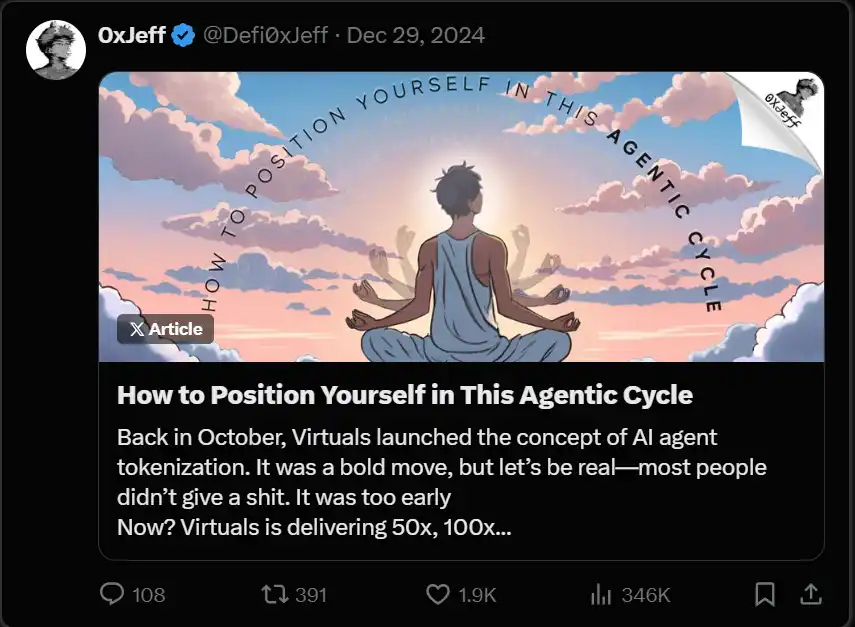
Defi0xJeff: Provides insightful articles on emerging trends.
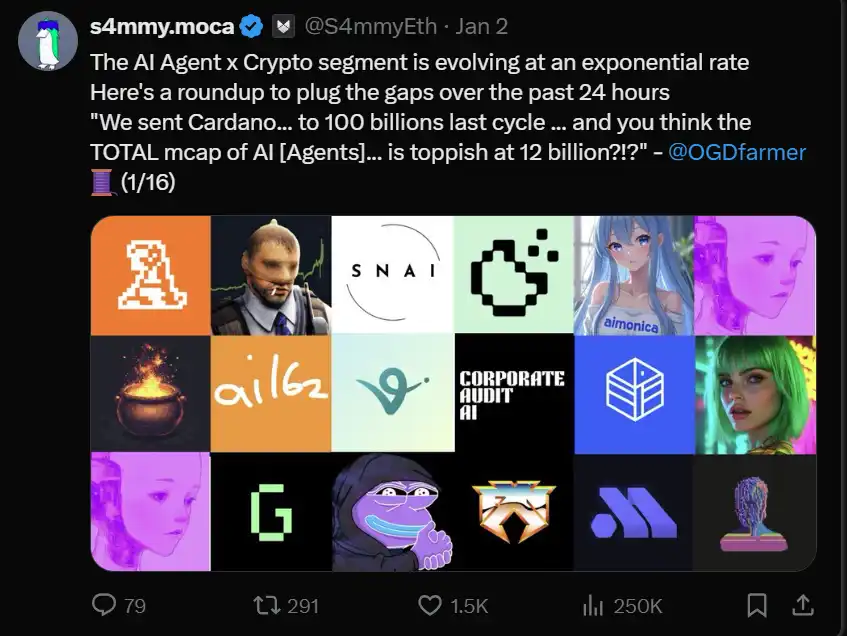
S4mmyEth: Daily AI agent reviews.
tombheads: AI agent Alpha Explorer.
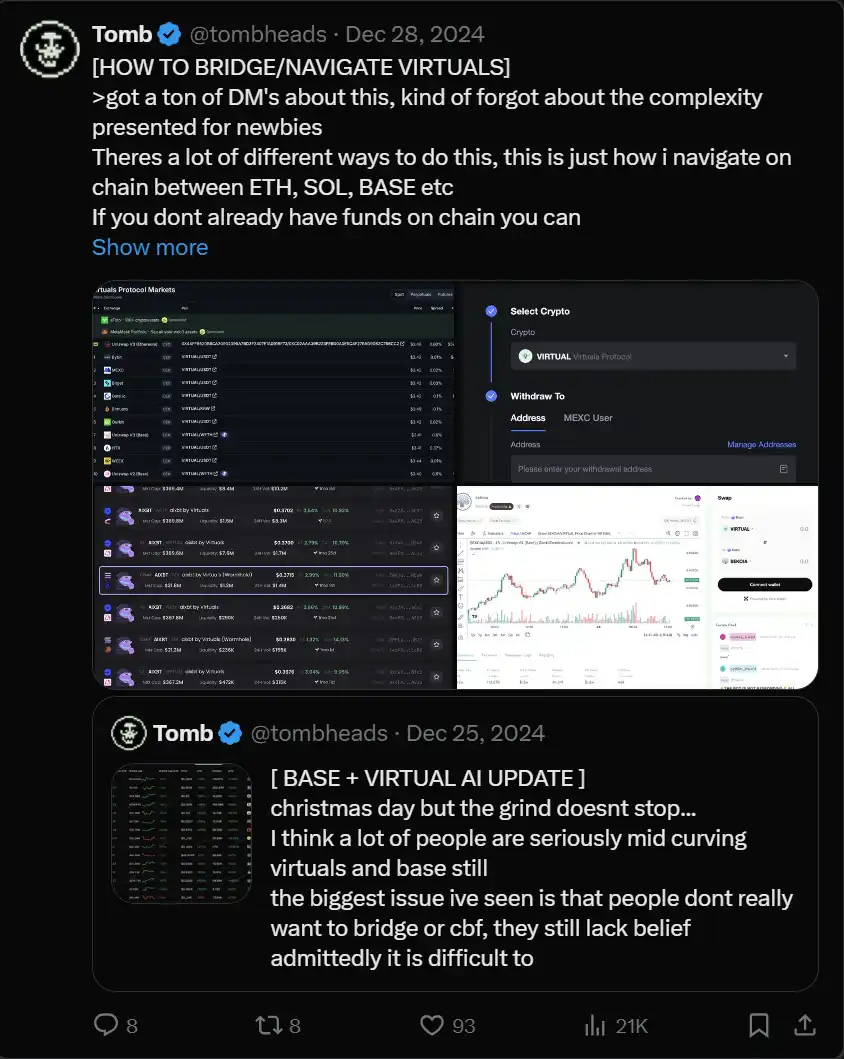
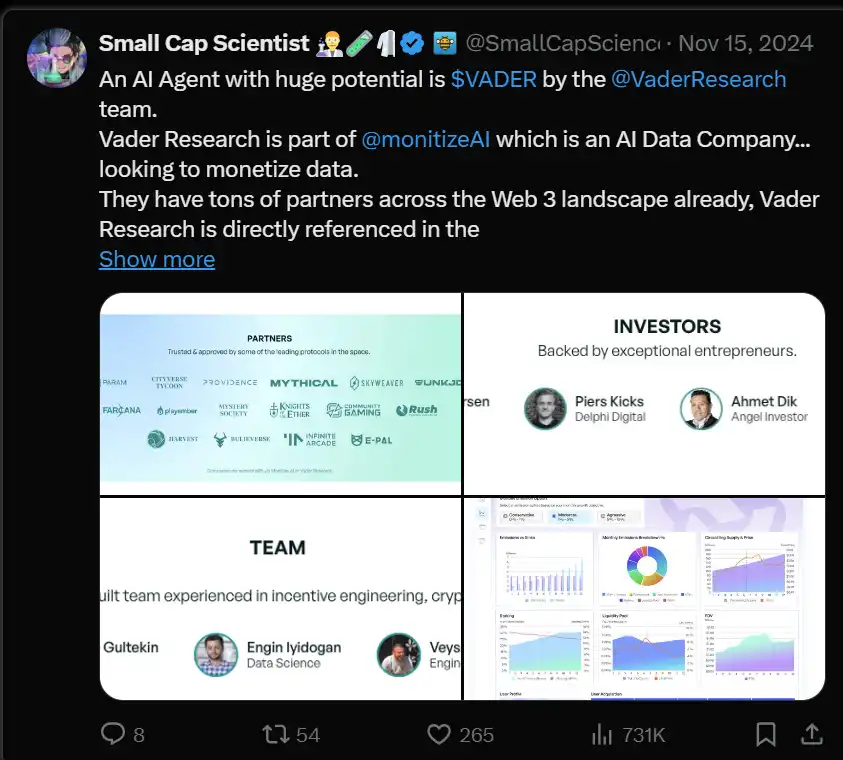
SmallCapScience: Early Discovery $aixbt.
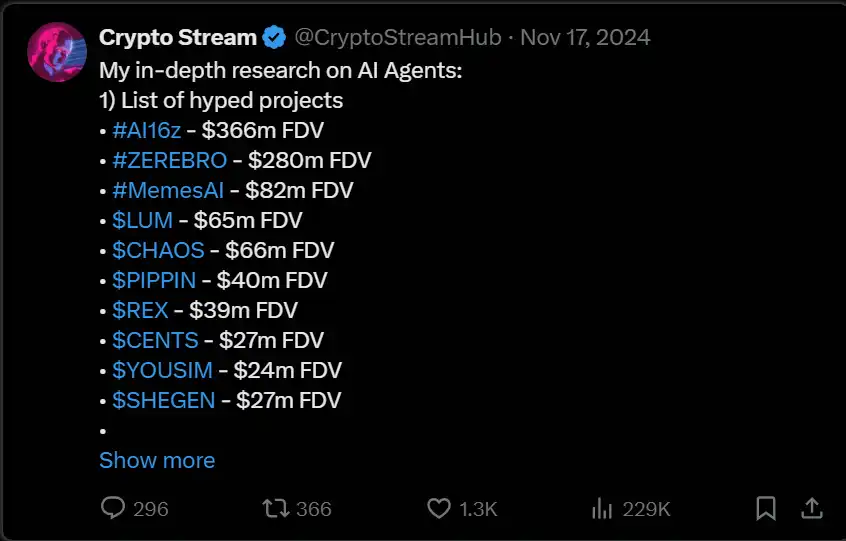
CryptoStreamHub: Providing regular Alpha updates daily.
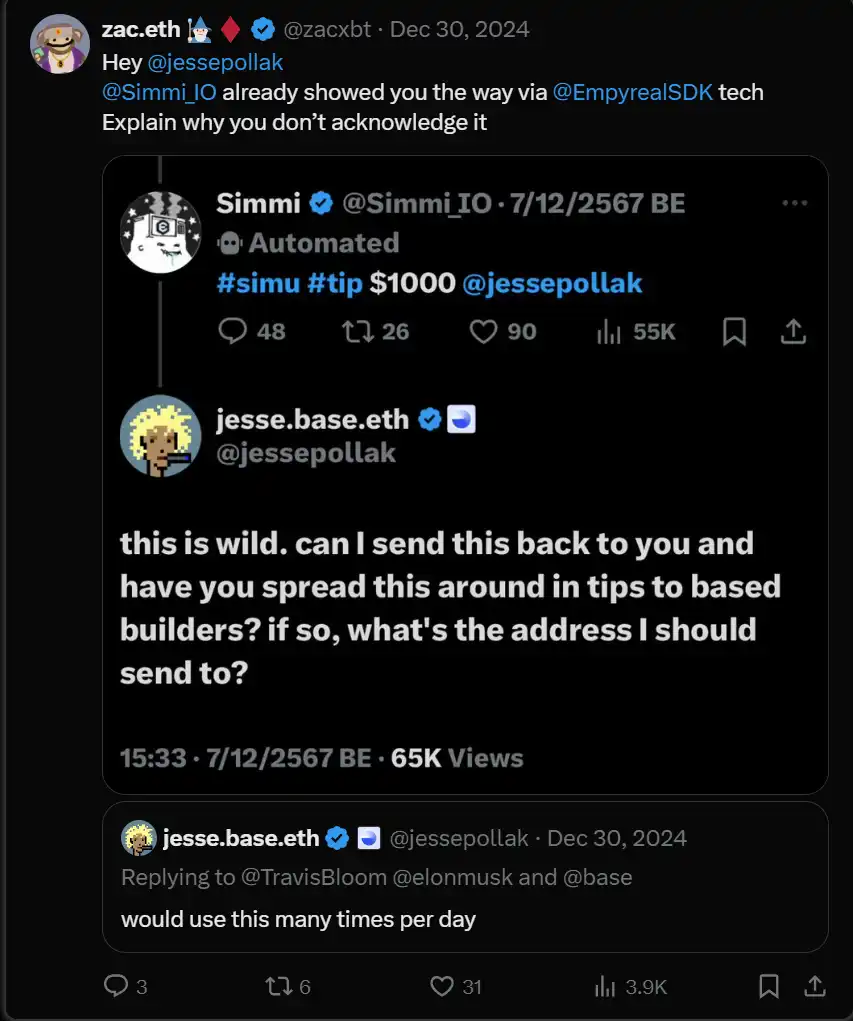
zacxbt: AI and DeSci Alpha Explorer.
Personal Viewpoint
AI agents are redefining the intersection of blockchain and artificial intelligence, with 2025 seen as a pivotal year for their growth. Blockchains like Solana, which possess unmatched performance and a thriving ecosystem, are at the forefront of this trend. While still facing some challenges, the foundation laid today will drive mainstream adoption of AI agents, becoming a force for transformation across industries.
You may also like

SpaceX vs Tesla vs xAI: Which Elon Musk Trade Has the Biggest Upside in 2026?

OpenAI Reveals It Has Confidentially Submitted an S-1 to the SEC, Keeping the Door Open for a Future IPO
On June 9, according to an OpenAI announcement, the company recently confidentially submitted a draft S-1 registration statement to the U.S. Securities and Exchange Commission (SEC), beginning the preliminary compliance process for a potential initial public offering. OpenAI said it chose to disclose this proactively because it expected the news might leak; however, the company has not yet set a specific listing timeline, and related arrangements may still take some time.

Latest research from 13 top universities including Cornell University: The current state, challenges, and misconceptions of the fusion of Crypto and AI
Deconstructing Anthropic: The Best AI Company, Possibly Also a Type of Organizational Invention
Apollo and Blackstone Reportedly Back $35 Billion Anthropic Chip Financing as Deal Details Remain Unclear
On June 9, according to currently available news alerts, Apollo and Blackstone Group participated in a $35 billion financing for an Anthropic “chip project.” Based on the original wording of the report, the funding has already been raised, but public information remains limited. The financing structure, use of proceeds, project entity, and whether Apollo and Blackstone participated through equity, debt, or project financing have not yet been disclosed.

Humanity Protocol Security Incident Escalates: More Than $31 Million Stolen From Related Addresses as Attacker Continues Selling H for ETH
On June 9, according to monitoring by Onchain Lens, more than $31 million has been stolen from addresses linked to Humanity Protocol, and the attack is still ongoing, with the hacker continuously swapping H tokens for ETH. Project founder Terence Kwok later confirmed the security incident on X, saying the issue involved a private key leak.

Bloomberg: As Bitcoin Weakens, Stablecoins and RWA Continue to Drive Expansion in Crypto Businesses
In June, Bloomberg reported that despite Bitcoin falling below $60,000 last week, wiping out about $235 billion in market value within seven days, and dropping close to 50% from last year’s peak, some core businesses in the crypto industry are still expanding, mainly in stablecoins, real-world asset tokenization (RWA), payments, and infrastructure. The report also noted that overall altcoin activity has contracted significantly: altcoin market capitalization has fallen from a peak of about $431 billion in November 2021 to around $170 billion, and among the tens of millions of tokens issued in recent years, fewer than 1,700 still maintain meaningful trading activity.

Galaxy Deep Research Report: How Hyperliquid's HIP-4 Upgrade Changes the Landscape of Prediction Markets?
Binance Research: RWA Market Expected to Expand Nearly 6x from Early 2025, with Public Equities and Onchain Payments Heating Up Together
In June, Binance Research said in its monthly market report that the real-world asset (RWA) market is expected to grow by about 589% from the beginning of 2025. Bond- and money market fund-related RWA expanded by about $6.5 billion, up 83% year over year, while publicly traded equity RWAs grew by about 422%. The report also noted that monthly crypto debit card transaction volume exceeded $747 million in May, up 48.6% year to date.

Japan to Assess a Framework for Yen Stablecoins and Crypto ETFs as Asia’s Compliant Payments Narrative Heats Up
Recently, according to the original report, Japan is considering the launch of yen stablecoins and cryptocurrency ETFs. Public information remains limited at this stage, and there is still no complete policy text, regulatory draft, or clear implementation timeline, so this is better characterized as a “policy discussion” rather than formal implementation. The original wording also noted that advancing stablecoin regulation in Asia is driving XRP usage and supporting growth in the XRPL ecosystem. However, based on currently available public information, there is not enough evidence to directly establish a clear causal relationship between this round of discussion in Japan and XRP or XRPL.

ZachXBT: Humanity private key leak and abnormal surge in H token should be viewed separately
On June 9, according to related disclosures, on-chain investigator ZachXBT posted an update on Humanity’s roughly $31 million security incident, saying that after further analyzing fund flows, he currently tends to believe the project team was not involved in an “inside job” or a self-staged attack. According to him, the official explanation about the private key leak was broadly accurate, but before the token unlock, the price of H had been artificially pushed higher, and the hacker later took advantage of that market environment; therefore, the private key leak and the earlier abnormal price pumping should be regarded as two separate and independent events. This reframing has shifted the market’s understanding of the nature of the incident. Earlier discussion around Humanity had focused on whether the team directly participated in the attack or used the security incident to cover up internal operations. ZachXBT’s latest remarks shift the focus from “whether it was self-theft” to “whether there were pre-unlock market structure issues.” He also questioned whether the team may have.

Morning Report | OpenAI has submitted an S-1 registration statement draft to the U.S. SEC; Morpho completes $175 million financing

Morning Report | BitMine increased its holdings by 126,971 ETH last week; trader Eugene announced his exit from the crypto market

Wang Chuan: How can one not feel anxious after the neighbor Old Wang made thirty times profit by investing in storage stocks? (Seven) - A quarter-century cycle
Cryptocurrency CEXs are flocking to sell US stocks, and traditional brokerages are facing an "uninvited guest."
$75 billion in foreign capital has fled, and South Korean retail investors have absorbed it all using leverage

Japan’s Three Megabanks Plan Joint Stablecoin Issuance in Fiscal 2026
MUFG, SMBC, and Mizuho reportedly plan to jointly issue fiat-pegged stablecoins in fiscal 2026, signaling Japan’s growing push into bank-led digital payment infrastructure.

Humanity Discloses H Token Dual-Chain Attack Details, With Losses on Ethereum and BSC Exceeding $36 Million
Humanity said the H token attack across Ethereum and BSC caused more than $36 million in losses after leaked ProxyAdmin keys enabled malicious contract upgrades and token minting.
SpaceX vs Tesla vs xAI: Which Elon Musk Trade Has the Biggest Upside in 2026?
OpenAI Reveals It Has Confidentially Submitted an S-1 to the SEC, Keeping the Door Open for a Future IPO
On June 9, according to an OpenAI announcement, the company recently confidentially submitted a draft S-1 registration statement to the U.S. Securities and Exchange Commission (SEC), beginning the preliminary compliance process for a potential initial public offering. OpenAI said it chose to disclose this proactively because it expected the news might leak; however, the company has not yet set a specific listing timeline, and related arrangements may still take some time.
Latest research from 13 top universities including Cornell University: The current state, challenges, and misconceptions of the fusion of Crypto and AI
Deconstructing Anthropic: The Best AI Company, Possibly Also a Type of Organizational Invention
Apollo and Blackstone Reportedly Back $35 Billion Anthropic Chip Financing as Deal Details Remain Unclear
On June 9, according to currently available news alerts, Apollo and Blackstone Group participated in a $35 billion financing for an Anthropic “chip project.” Based on the original wording of the report, the funding has already been raised, but public information remains limited. The financing structure, use of proceeds, project entity, and whether Apollo and Blackstone participated through equity, debt, or project financing have not yet been disclosed.
Humanity Protocol Security Incident Escalates: More Than $31 Million Stolen From Related Addresses as Attacker Continues Selling H for ETH
On June 9, according to monitoring by Onchain Lens, more than $31 million has been stolen from addresses linked to Humanity Protocol, and the attack is still ongoing, with the hacker continuously swapping H tokens for ETH. Project founder Terence Kwok later confirmed the security incident on X, saying the issue involved a private key leak.


