

Live US Natural Gas Fund Tokenized Stock (Ondo) price
US Natural Gas Fund Tokenized Stock (Ondo) price chart
US Natural Gas Fund Tokenized Stock (Ondo) (UNGon) price details
US Natural Gas Fund Tokenized Stock (Ondo) price history
 Download dataDownload data
US Natural Gas Fund Tokenized Stock (Ondo) technical analysis
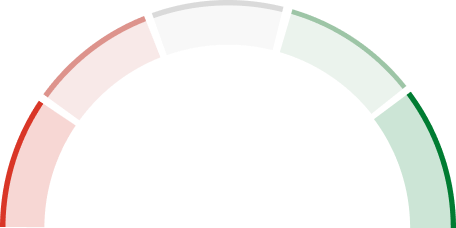
US Natural Gas Fund Tokenized Stock (Ondo) (UNGon) sentiment
About US Natural Gas Fund Tokenized Stock (Ondo)
US Natural Gas Fund Tokenized Stock (Ondo)(UNGon) Introduction
UNGon represents a tokenized version of the US Natural Gas Fund, an ETF that tracks natural gas futures prices. Created by Ondo Finance, it democratizes access to US energy markets for international users who can't directly trade traditional stocks due to geographic or regulatory barriers. Token holders get economic benefits akin to owning UNG shares, including dividend reinvestments, all on blockchain for faster settlements. According to CoinMarketCap data extracted on April 24, 2024, UNGon ranks #3211 in market cap with a recent 3.81% 24-hour price decline, reflecting broader natural gas market fluctuations. This token fits into the growing real-world asset (RWA) tokenization trend, where blockchain enhances liquidity in commodities. As an expert in crypto trading, I note that UNGon's structure reduces entry barriers, but users should research restrictions via Ondo Finance resources.
Who created US Natural Gas Fund Tokenized Stock (Ondo) Coin?
Ondo Finance, a leading platform in asset tokenization, created UNGon as part of its Global Markets initiative. Founded in 2021 by Nathan Allman and backed by investors like Founders Fund and Pantera Capital, Ondo specializes in bridging DeFi with traditional finance. They tokenized UNG, the United States Natural Gas Fund managed by USCF Investments since 2007, which holds natural gas futures contracts. Ondo's expertise in structured products ensures UNGon provides compliant, efficient exposure. Drawing from reliable sources like CoinMarketCap, Ondo's team includes blockchain veterans who prioritize security and liquidity. As a crypto researcher, I appreciate how Ondo addresses pain points for non-US investors, but it's worth noting that tokenization doesn't eliminate underlying asset risks, such as natural gas supply disruptions reported in recent EIA energy outlooks.
How does US Natural Gas Fund Tokenized Stock (Ondo) Crypto Work?
UNGon operates on blockchain technology, specifically using Ondo Finance's protocols to tokenize shares of the UNG ETF. Users mint tokens by depositing collateral, gaining synthetic exposure to natural gas prices without physical ownership. The system reinvests dividends automatically, mirroring UNG's performance tracked via benchmark futures on the NYMEX. Redemption is instant, converting tokens back to underlying value 24/5, tapping into exchange liquidity. Per Ondo Finance details, smart contracts ensure transparency and security, with audits from firms like Certik. In practice, if natural gas prices rise due to demand spikes—as seen in 2022 European energy crises—UNGon holders benefit proportionally. As a trader, I've observed that this setup minimizes custody issues, but it relies on oracles for accurate pricing, potentially introducing minor discrepancies during high volatility.
How is US Natural Gas Fund Tokenized Stock (Ondo) Crypto used?
UNGon is primarily used for gaining exposure to natural gas markets within crypto ecosystems, ideal for portfolio diversification. Investors use it to hedge against energy inflation or speculate on commodity trends, such as seasonal demand peaks. For instance, during winter heating surges, traders might hold UNGon for potential gains, as natural gas spot prices can spike 20-30% based on historical U.S. Energy Information Administration data. It's also integrated into DeFi protocols for lending or yield farming, enhancing returns. Non-US users leverage it to bypass traditional brokerage restrictions, trading seamlessly on platforms like WEEX. However, it's not for direct utility like governance tokens; its value ties to UNG's NAV. As an investor, I see UNGon shining in balanced strategies, but users should monitor storage costs in futures, which can erode returns over time per CME Group reports.
Official links
 Website
Social media and community
 X(Twitter)
FAQ
1. What is the current price of US Natural Gas Fund Tokenized Stock (Ondo) (UNGon) in USD?
2. What is the market capitalization of US Natural Gas Fund Tokenized Stock (Ondo) (UNGon)?
3. What is the circulating supply of US Natural Gas Fund Tokenized Stock (Ondo) (UNGon)?
4. What factors influence the price of US Natural Gas Fund Tokenized Stock (Ondo) (UNGon)?
5. Is US Natural Gas Fund Tokenized Stock (Ondo) (UNGon) a good investment?
6. Where can I buy US Natural Gas Fund Tokenized Stock (Ondo) (UNGon)?
7. What are the typical fees when buying US Natural Gas Fund Tokenized Stock (Ondo) (UNGon)?
8. What are some technical indicators used for analyzing US Natural Gas Fund Tokenized Stock (Ondo) (UNGon)?
Currency price converter
Popular







Global prices
¥₽€$¥NT$₫aed₴złR$Rp$₼


US Natural Gas Fund Tokenized Stock (Ondo) news
Compromises at the DGFiP: "It Happens Several Times a Week"
Aave Accepts Gold Collateral Worth 90.4 Billion Won, Expanding On-Chain Gold Utilization
Aave has emerged as a key platform for accepting tokenized gold as collateral for DeFi loans. With Tether Gold and Paxos Gold entering the lending market, the use of on-chain gold is shifting from storage to collateral utilization.
Official Bitcoin in Russia: Billions of Rubles May Enter the Legal Crypto Market
Bitcoin in Russia will receive a new legal framework starting September 1: the law "On Digital Currencies and Digital Rights" comes into effect, paving the way for the legal circulation of crypto assets and potentially attracting significant funds from private and institutional investors. The federa...
Withholdings: How Much the Agricultural Sector Will Contribute Despite Lower Rates
The Rosario Stock Exchange projected that the six main agro-export complexes will generate $4.613 billion from export duties during 2026. Soybean will account for more than 70% of the revenue.
Buenos Aires among the cheapest cities in the world but with low salaries: how much it costs to live, according to Deutsche Bank
A report by Deutsche Bank compared prices, salaries, and housing in 69 cities. Buenos Aires remains among the cheapest in several categories, but strong increases in dollars since 2019 and low incomes reduce local purchasing power.
Traffic through Hormuz at 10 Vessels Daily, Gulf Oil Exports Recovery Delayed
Traffic through the Strait of Hormuz has shrunk to about 10 vessels per day, while the recovery of Gulf oil exports is also delayed due to tanker attacks and U.S. military blockade operations. Saudi Arabia and the UAE...
View more

View more


